

Rio Area Historical Society

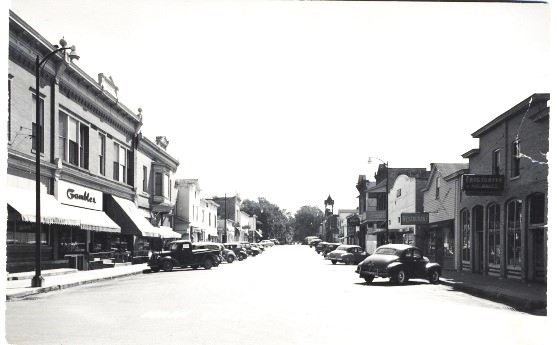
The History of Early Rio
During the time of 1844 to 1864 a gradual occupation of the government land in Columbia County had taken place. The small villages of Columbus, Fall River, Otsego, Wyocena and about halfway between the last two was area known as the Ohio Settlement. It was referred to as that because that is where most of the settlers of that time came from. Among the early Ohio settlers were the Dunlaps, Douds, Scotts, Allens, Bundys, Tiffts, Harris, and Leathermans.
In 1848 Samuel Doud donated the land for the Ohio Cemetery. It is the only thing that retained the original name of Ohio. The first burial was a son of Mr. and Mrs. Charles Doud. A short time later the wife and child of the early settler were also buried there.
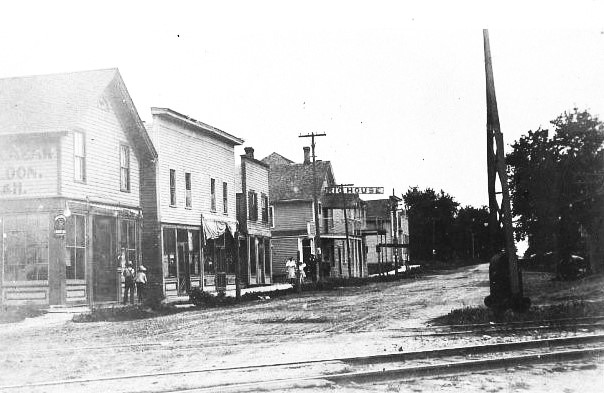
A road house known as the Ohio House, a blacksmith shop and a country Store were built to accommodate the early settlers. It was built about a half mile north west of the present village in an area known as Tiffts Corner. In 1852 Delos Bundy who was the proprietor of the store was appointed postmaster. He requested that the new Post Office be named Ohio but whether from illegibility of handwriting or careless reading by the officials in Washington or due to the fact the name had been used often elsewhere when he received his commission the name of the new Post Office was Rio.
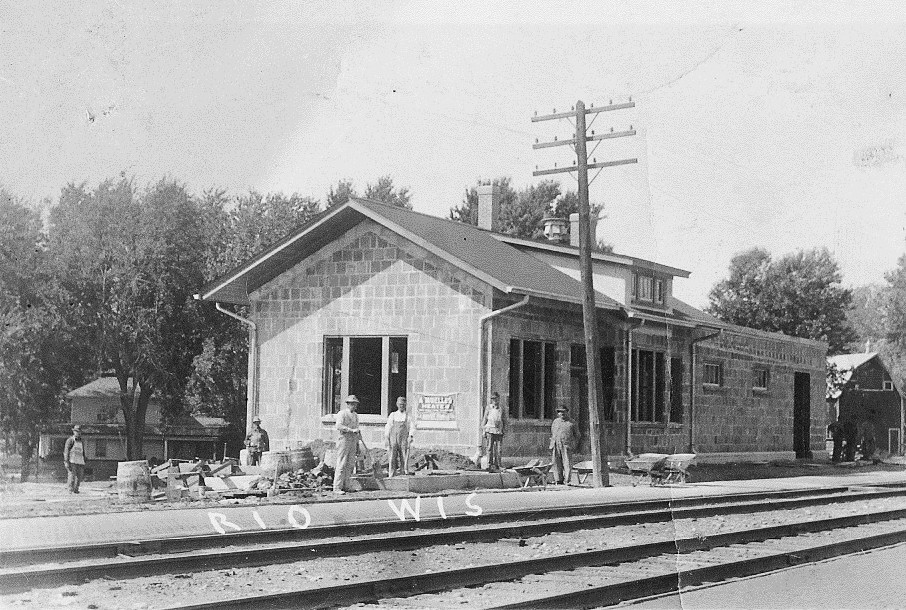
In the summer of 1864, the C.M. & St. P. railroad was being built in the vicinity and Abram Van Aernam established communication with the Rail Road officials offering a free right of way through his land and guaranteeing a free site for a depot providing a culvert be made and maintained under the rail road tracks connecting the two parts of his farm.
The land most favorable for the location of the village was owned by N. D. Dunlap who hired A. Topliff, County Surveyor to lay our and plat a portion of his land. The survey was completed November 4, 1864 and on this original plat the Depot was built. Prior to May 8, Mr. Dunlap had made three small additions to the original plat and Mosher, Buchanan, Van Aernam and Schott had also added plats to the same area. When the village was platted, it was thought best to name it Rio.
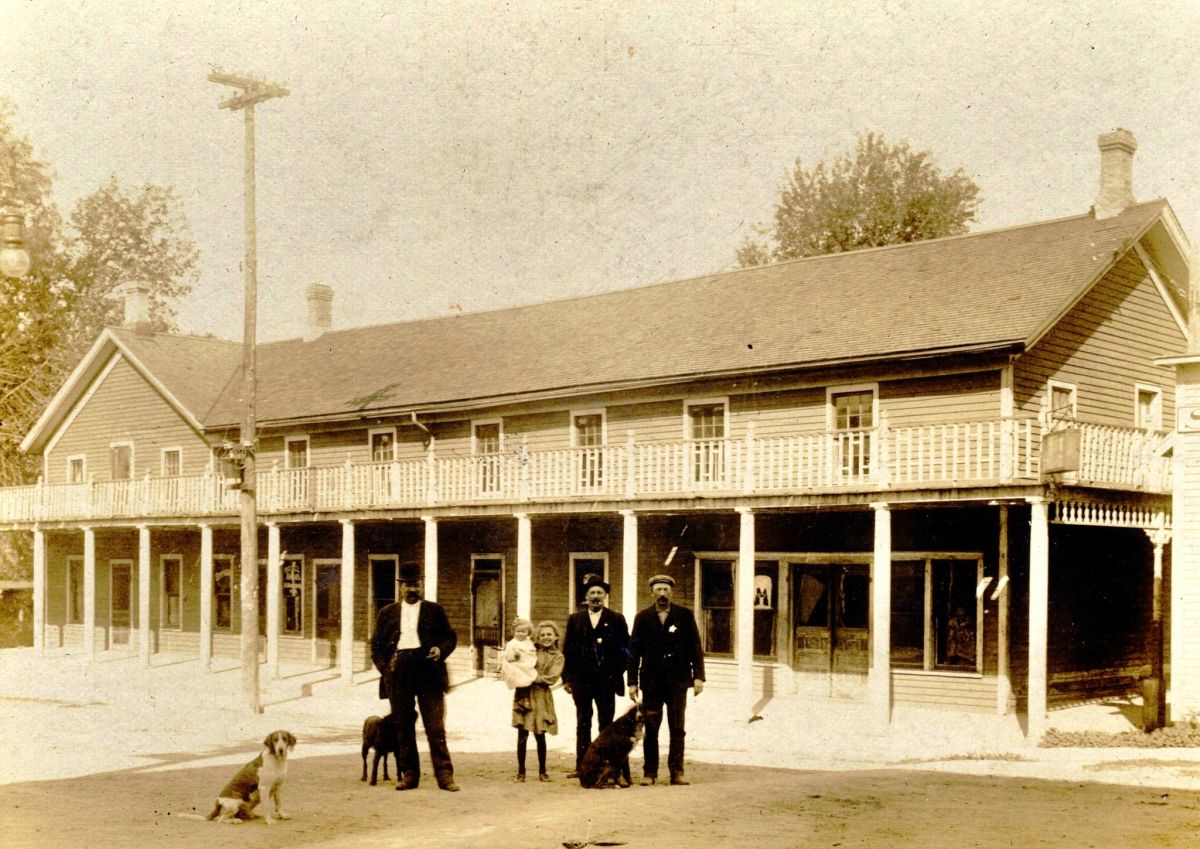
The first lot was purchased by Jacob Ulrich who began the erection of a hotel in November 1864. About the same time N. D. Dunlap began building a store and each claimed their building was completed first. The only other building at this time was a warehouse built by Mr. Welch for the storage of grain. This building was also used by the railroad until the completion of a depot in the fall of 1865. The first dwelling house was built by John Barr, a German Shoemaker who came to the village in the Spring of 1865. A daughter was born to him in May of that year being the first child born in the village.
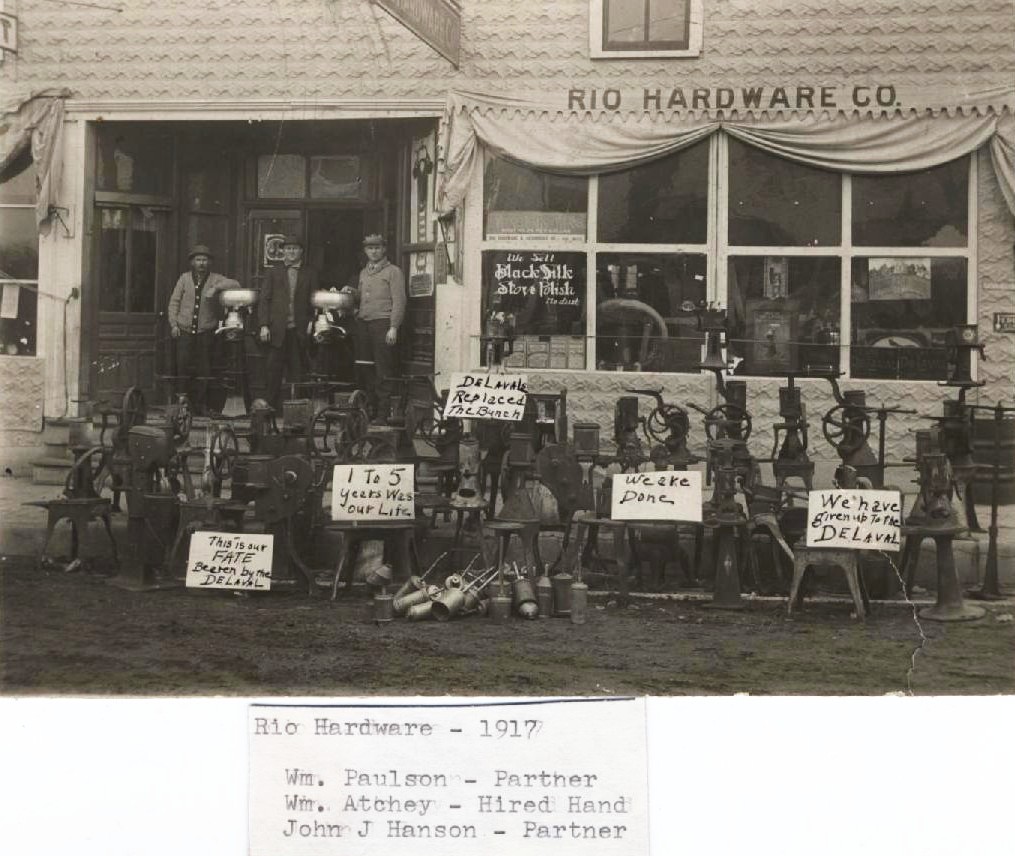
Mr. Bundy moved his store and Post Office to the platted area that area in the Spring of 1865 and the Village of Rio was begun. About this time Williams and Scott started a lumber yard, Dr. Vincent was the first physician, Dr. Venables the first Dentist, and John Brown the first lawyer. In the Spring 1866 Warren and Delos Bundy opened the first drug store and the same Fall Walter Davidson opened the first hardware store.
The early farmers principal crop was grain, especially Wheat. They had two grain elevators in Rio at that time. Daniel Buchanan began building a grain elevator in the Spring of 1865 with the capacity of 10,000 bu of grain. He continued in the grain business for two years. Mr. Welch also began building a elevator but before completion sold it to Knowles and Bumice. They later sold it to Samuel D. Curtis. This elevator was destroyed by fire November 30, 1872. Pastor Logan of the Baptist Church had been instrumental in fighting the fire and helping to save the buildings nearby. The Village awarded him a buffalo robe for his heroic efforts. An infestation of the Chintz bug and competition from the West made Wheat no longer profitable. Tobacco, beans, and Potatoes as well became the new profitable commodities for the area. Two different Bean Warehouses were built in Rio.
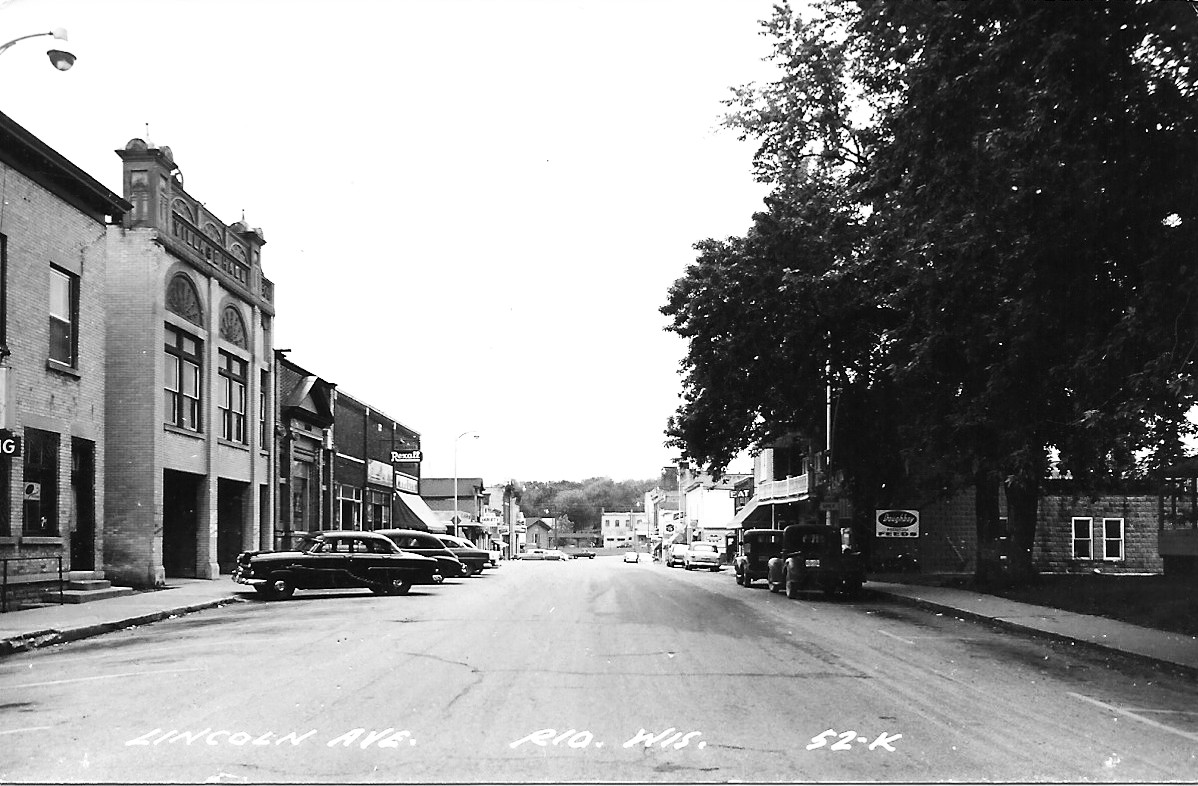
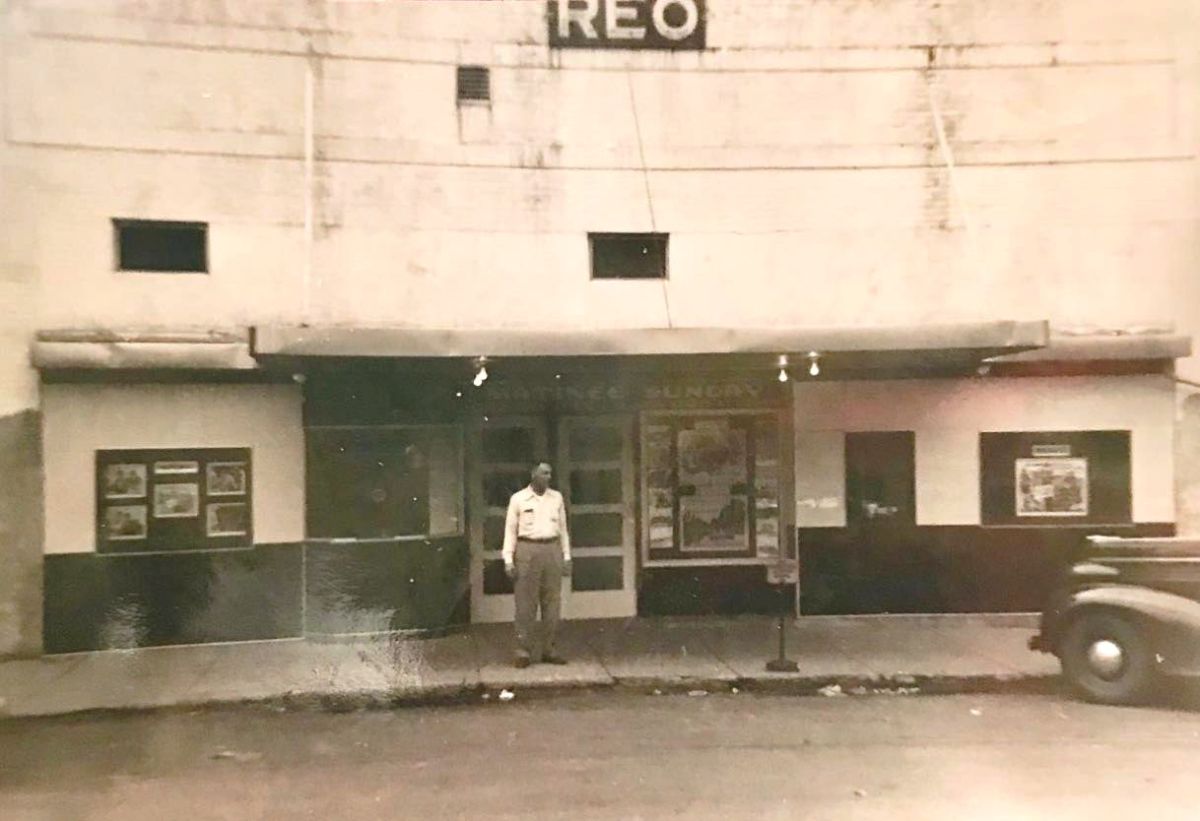
In the early years the main part of town was located on East Rio Street, with a few businesses being located on Lincoln Ave after 1872. The larger part of the Lincoln Avenue Businesses did not happen until 1896 or later. Fire destroyed much of the business area on East Rio Street over the years and as that happened they relocated to Lincoln Avenue which was then called the Columbus to Portage Road and later Hwy 29.
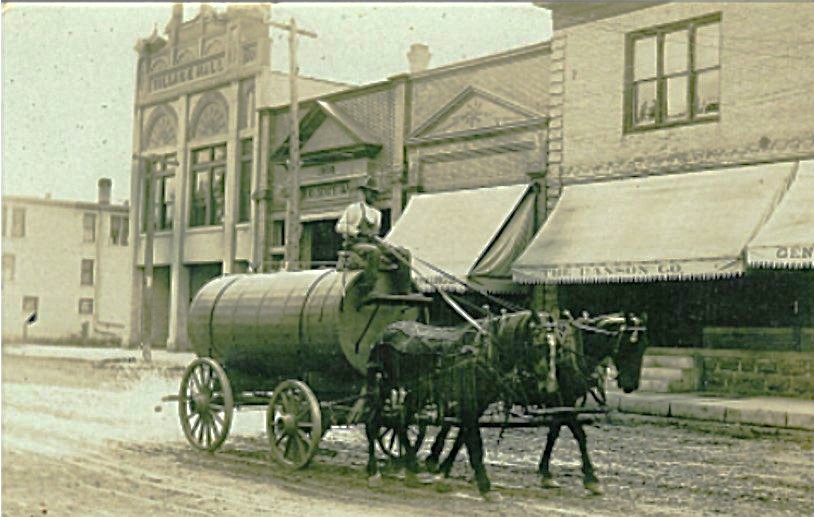
In 1892 there were no residences on the West side of Lincoln Avenue South of West Harvey Street. In the following ten years streets were improved and sidewalks and homes built. The business part of town was changed but the better buildings being constructed. A bank and a Village Hall were constructed. From 1900 to the 1920’s Rio experienced considerable growth. It also contributed greatly to the cause of World War I. Several men from town including Charles Walker and George Bush were part of the Iron Brigade.
More modern conveniences for the homes and farms arrived in the form of electricity, and Telephones, followed by tractors and trucks. Water and sewage in homes and businesses with 24/7 electricity. Eventually Radio’s and Television became common and the local newspaper kept everyone informed. The Village continued to grow and prosper with the railroad being a big contributor.
More information about the history of Rio is available on line on the Rio Area Historical Society Facebook page or at the Rio Area Historical Society Museum at 126 Lincoln Avenue in Rio, WI.
By: Darlene Lerum
Contact Info
Darlene Lerum
President
126 Lincoln Avenue-PO Box 164 Rio, WI 53960
608-697-0248